|
 The HVACR industry is undergoing a transformation unlike anything we’ve seen before. Rapid technological innovation, shifting federal regulations, and a nationwide push for energy efficiency are reshaping the field at record speed. Today’s technicians must enter the workforce prepared to work with low-GWP refrigerants, inverter-driven systems, advanced sensors, and AI-enabled diagnostics from day one. This evolution is forcing employers and educators alike to redefine what it means to prepare students for successful careers in today’s HVACR landscape. The HVACR industry is undergoing a transformation unlike anything we’ve seen before. Rapid technological innovation, shifting federal regulations, and a nationwide push for energy efficiency are reshaping the field at record speed. Today’s technicians must enter the workforce prepared to work with low-GWP refrigerants, inverter-driven systems, advanced sensors, and AI-enabled diagnostics from day one. This evolution is forcing employers and educators alike to redefine what it means to prepare students for successful careers in today’s HVACR landscape.
However, many training programs are struggling to keep pace. Technology is advancing faster than curriculum updates, equipment budgets, or instructor training cycles. As a result, the industry faces a growing skills gap that employers feel daily. Employers and manufacturers are taking notice, becoming increasingly selective about where they recruit and which programs they support. To that end, many manufacturers and contractors are seeking to create their own in-house training programs to help them meet their unique needs.
One statistic illustrates this perfectly: 82.2% of residential system components returned to manufacturers are found to have no fault upon bench testing. The issue isn’t bad parts, it’s inadequate diagnostics, incomplete understanding, and inconsistent training.
Industry Leaders Are Now “Scoring” Schools: And Accreditation Ranks #1
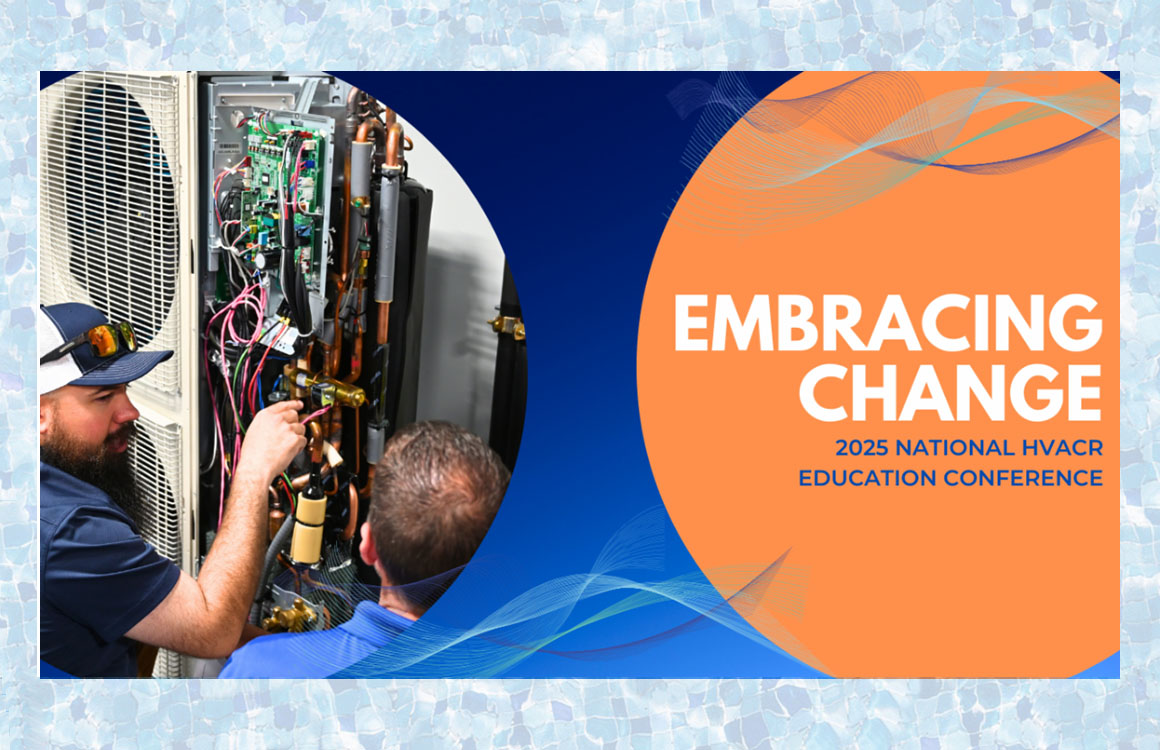
At the National HVACR Education Conference, leading manufacturers met to address the widening knowledge gap. Their consensus was unmistakable: too many graduates lack the foundational knowledge required to safely and effectively service today’s high-performance systems. In response, manufacturers outlined a scoring system to evaluate which schools they will partner with. Among all the criteria, curriculum depth, instructor credentials, lab resources, and more…programmatic accreditation emerged as the strongest indicator of training consistency and excellence.
Major contracting organizations have reached the same conclusion. During the MSCA Annual Conference, representatives from the MCAA, MSCA, and the UA outlined strategies for recruiting junior service technicians. Their session, “Recruiting Your Next Generation: Partnering with HVAC Excellence Schools for Service Tech Success” (See program, Wednesday at 10:30 AM) emphasized that the most reliable source of work-ready talent comes from programs that have earned the HVAC Excellence accreditation seal. For these employers, accreditation is a vetting tool, a clear signal that a program meets industry-recognized standards for HVACR service training.
A New Reality: Schools Are Being Ranked, Just Like Major League Baseball
Manufacturers and contractors now evaluate HVACR programs much like professional baseball evaluates its farm system: A, Double-A, Triple-A, and the majors. To determine where a school stands, they examine accreditation status, student learning outcomes, program structure, funding, lab capabilities, and instructor qualifications. In addition, graduates of HVAC Excellence accredited programs may be eligible for advanced placement opportunities within the United Association’s apprenticeship program through an established articulation agreement.
Why Accreditation Is No Longer Optional
For institutions committed to remain competitive, programmatic accreditation is more than a credential, it is a strategic investment. Programmatic Accreditation:
- Verifies that a program meets established industry standards
- Aligns curriculum and instruction with current and emerging technologies
- Demonstrates quality assurance and institutional accountability
- Build trust with manufacturers, contractors, and leading employers
- Sends a clear message that your program is committed to preparing a workforce trained in the fundamental knowledge required today
Your Next Step
As the industry reshapes its expectations and employers select partner schools, accreditation has become a gateway to opportunity for students, for instructors, and for institutions. The question is no longer whether schools should pursue accreditation, but whether they can afford not to.
We invite you to visit https://www.escogroup.org/Accreditation/Default.aspx to learn more. If you have questions, don’t hesitate to contact us at 800 394-5268.
Sincerely,
James Crisp, Ph.D.
Executive Director of Accreditation |